
A new international study led by Bishop’s University in Canada, Climate Adapted Pathways for Education (CAPE) and Leeds Trinity University in England reveals that how children are taught about climate change is just as important as what they are taught.
Published in JAMA Network Open, one of the world’s most respected medical journals, this is the first experimental study to compare how different classroom approaches to climate change affect children’s psychological well-being.
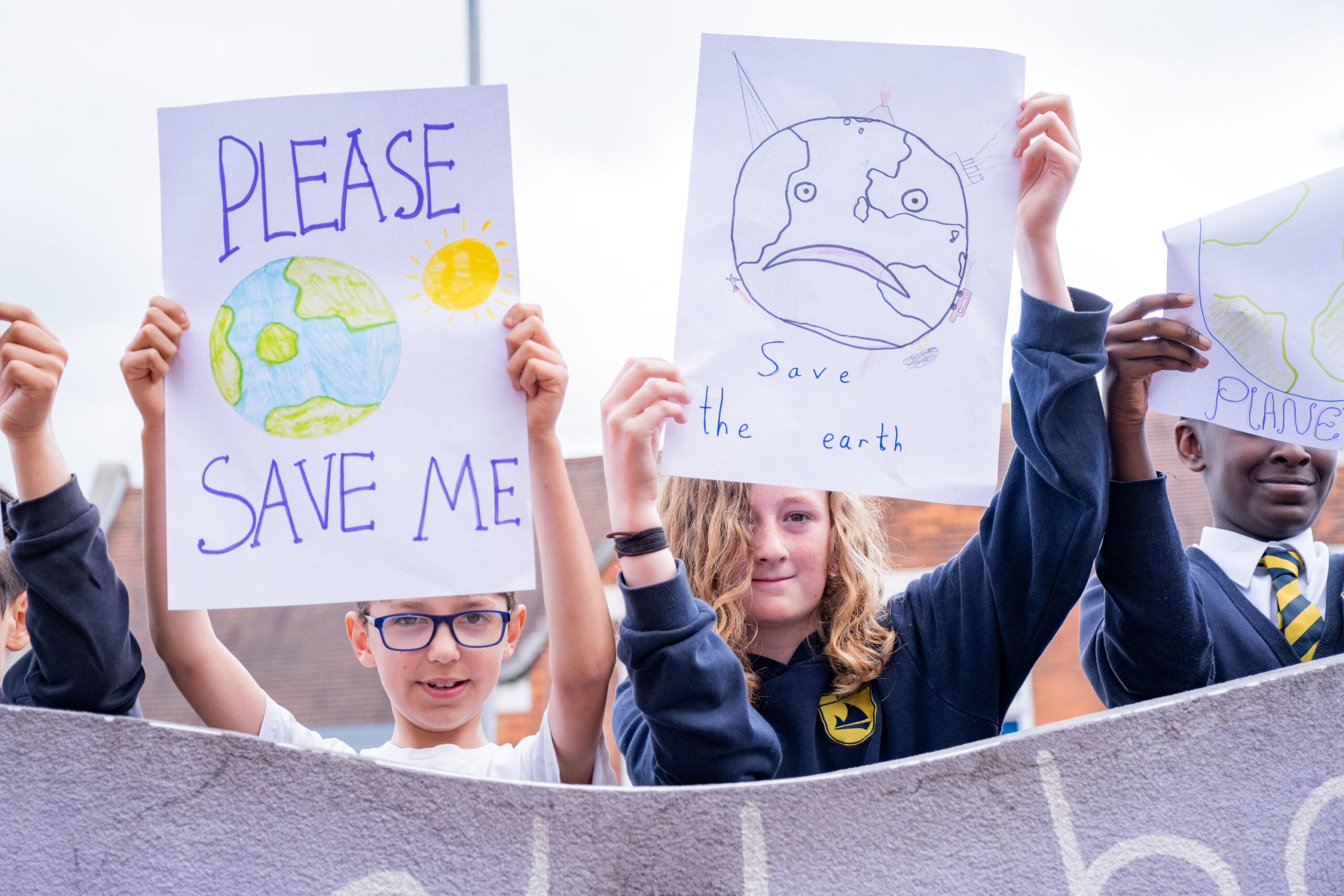
As children and young people face rising levels of eco-anxiety and emotional distress linked to climate change, the research provides urgent insight for educators, policymakers, and families. The study, involving 238 primary school children across England, tested two interventions: art-based activities introducing climate themes, and art combined with structured philosophical dialogue.
The results highlight the need for careful design of climate-related classroom activities. While both approaches increased children’s sense of hope and reduced emotional distress, art alone was associated with heightened eco-anxiety. In contrast, combining artistic expression with philosophical reflection helped children process their fears and protected their mental health.
“Children need more than creative outlets—they also need structured opportunities to talk through these overwhelming emotions,” said Dr. Catherine Malboeuf-Hurtubise, lead researcher and psychology professor at Bishop’s University. “When we give children space to explore life-impacting questions about climate change, we help them build resilience in the face of an uncertain future.”
The research team, which included Bishop’s University, Leeds Trinity University, Climate Adapted Pathways for Education (CAPE), REAch2 Academy Trust, Northern Star Academies Trust (NSAT), and several primary schools in England, argues that the findings mark a turning point in global conversations around climate education. “At CAPE, we know we cannot afford to get climate change education wrong. Children and young people deserve approaches that are informed by the very best evidence, not guesswork or quick fixes.” said Heena Dave, CoFounder of CAPE, “That is why we are proud to be part of this groundbreaking research with Bishop’s University. It shows our commitment to ensuring climate change education in schools strengthens knowledge, wellbeing, and resilience. For us, being led by evidence is not optional, it is essential.”
This study highlights that climate education must extend beyond facts, slogans, or calls to activism. It must also prepare children psychologically. This is not about climate activism in the classroom. It is about preparing children—mentally and emotionally—for the realities of a changing planet.
The Canada–England partnership demonstrates the potential of research-informed teaching to strengthen children’s resilience at a time when the climate crisis is reshaping not only ecosystems and economies, but also childhood itself.